
For some years now, companies all over the world have been tapping into the immense value Big Data can add to their business. Implementing Big Data ecosystems is a reality in both the global and the Brazilian market. With ever-growing demand, it has become very common to see plenty of openings for Data Engineers, Architects and Data Analysts on the LinkedIn timeline.
With so much demand popping up, many professionals are looking for knowledge and to keep up to date. With so many courses, tools and different ecosystems, where do you start?
There are two ways to use Big Data: set it up on your company’s premises (On Premise) or use a provider that offers a Big Data platform in the cloud (Cloud). In the past, companies only had the option of installing it locally, but that is no longer the case.
Small and midsize companies have taken a liking to cloud platforms, mostly because subscriptions are easy to acquire and processing services are quick to start. Today Microsoft, with the Azure ecosystem, holds the largest share of the Brazilian market, followed by Amazon. Of course, here I am only sharing my personal opinion based on my experience; I’ll leave a source to back it up: https://cio.com.br/azure-passa-aws-como-infraestrutura-de-nuvem-favorita-dos-cios/
So, after all, where do I start studying? Big Data On Premise or Cloud?
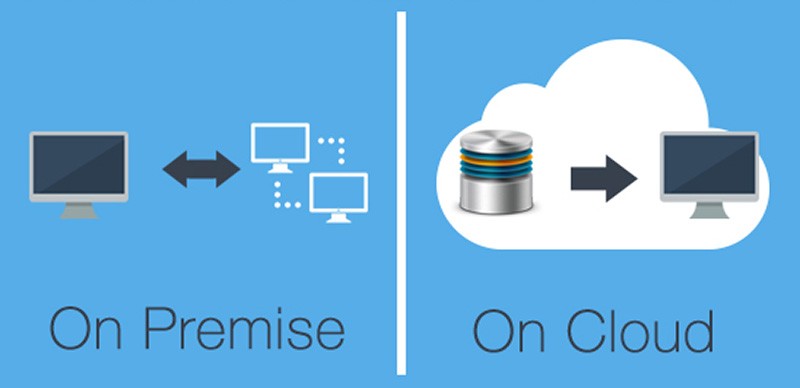
Here is my answer: Start studying based on the direction you want to give your career! Let me explain…
If you are an IT professional whose goal is to work at a large company, such as telecoms, traditional banks, government and others, you want a permanent position as an employee, and you come from a Business Intelligence and Analytics career, start with On Premise. Begin with the concepts of Hadoop and Spark. There is wonderful material that Fábio Jardim compiled on GitHub. https://github.com/fabiogjardim/bigdata_docker
Now, if your goals are different, if you want to work in the market as an independent consultant and keep up with the trends of the big vendors, I recommend starting by creating an Azure account (portal.azure.com) and studying the content Microsoft itself provides through the Learn platform (https://docs.microsoft.com/pt-br/learn/?WT.mc_id=home_homepage-azureportal-learn)
I hope this helps! I’m available for any questions from my fellow professionals.
Best regards!