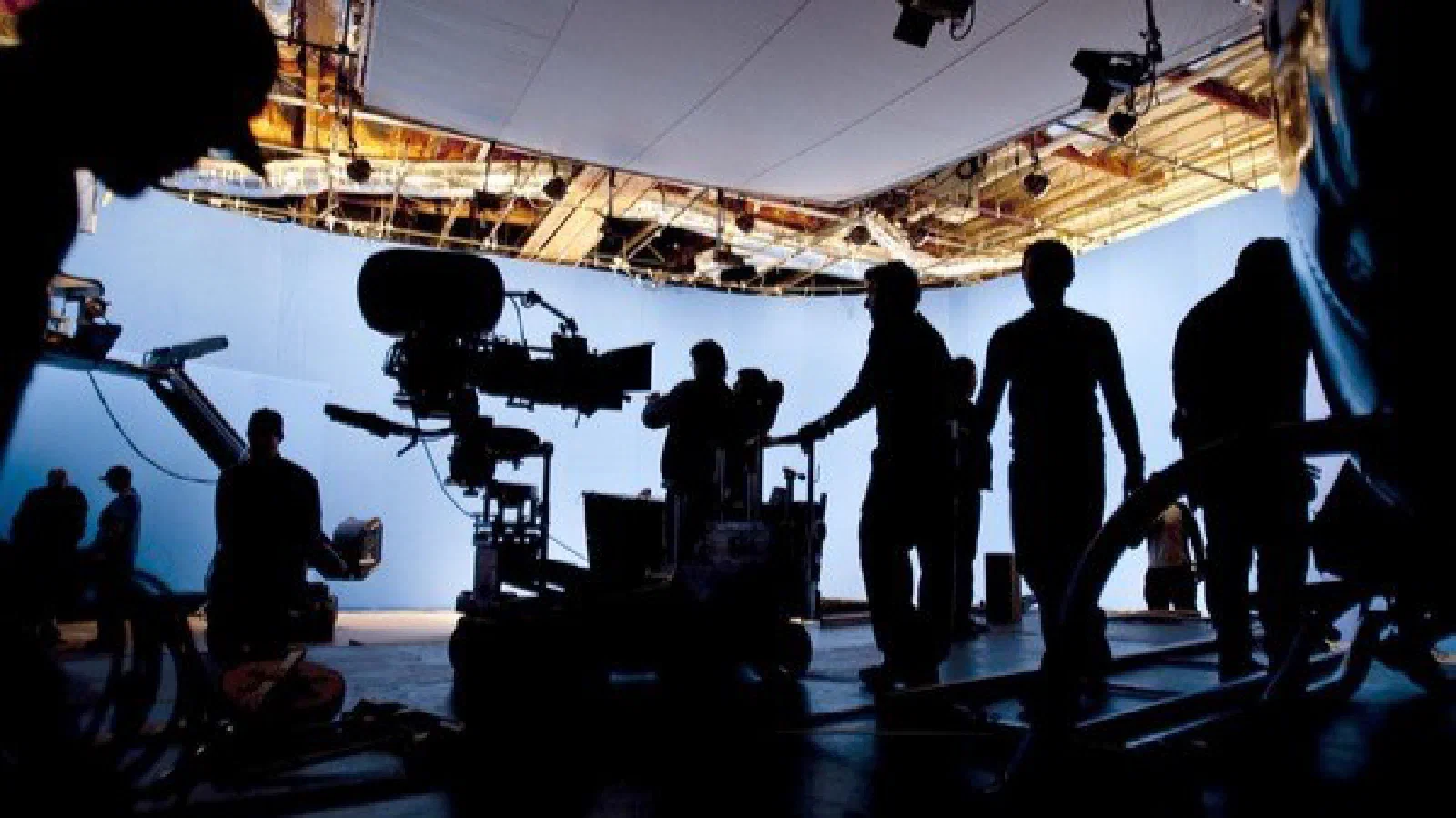
Picture Microsoft Foundry as a big film studio dedicated to producing AI movies. Instead of projectors, cameras, and scripts, it offers tools, models, and infrastructure to turn ideas into intelligent solutions.
Just as in a film production, every stage of creating an AI requires coordination, diverse talent, and cutting-edge technology. That’s where Foundry shines, providing a complete structure so any team can create its own intelligence blockbusters.
For a long time, AI development was a handcrafted affair. Data was scarce, training was expensive, and operations depended on complex infrastructure. Now, with Foundry’s improvements, that picture changes radically. The process becomes faster, more accessible, and governed. It’s as if AI finally had its own professional studio to shoot, edit, and release big productions.
Like a studio that invests in new equipment and crews, Microsoft Foundry has received updates that redefine how AI gets produced.
Synthetic Data Generation: The Studio’s Writers’ Room
Every great movie starts with a good script, and an AI model needs quality data to learn. Foundry now lets you create synthetic datasets from existing documents and code.
It’s like having screenwriters who, starting from an initial idea, write new scenes and dialogue, expanding the plot and enriching the story. In the same way, synthetic data helps the model learn safely and quickly, even when real data is scarce or sensitive.
The result is a more efficient pre-production process that lets you test concepts and train models reliably.
Training Cost Optimization: The Studio’s Acting School
Training models is the moment when the actors learn the script and rehearse their lines. But that process can be expensive and time-consuming.
Microsoft is making this stage more accessible, offering a 50% discount on training costs and expanding quotas for developers. It’s as if the studio’s acting school started handing out scholarships to new talent.
That democratization encourages more professionals to experiment, tune, and refine their models, boosting the diversity and quality of the solutions created on the AI “film set.”
Model Flexibility: The Studio’s International Cast
No movie would be the same without the right cast. Foundry brings that same flexibility by integrating open-source models, such as:
- Mistral
- Llama 3.3
- OSS-20B
- Qwen 3
On top of the Claude and GPT models available exclusively on Azure.
It’s like having a worldwide cast at your disposal, where the director can choose between big stars and independent talent, depending on the role and the budget.
That variety lets each AI production be put together with the ideal cast for its purpose, balancing cost, performance, and compliance.
Agentic RFT and Agent Orchestration: The Studio’s Direction and Technical Crew
The next revolution in AI lies in creating autonomous agents, which don’t just respond but also act, plan, and carry out complex tasks.
With Agentic RFT (Reinforcement Fine-Tuning), the GPT-5 model learns to use tools, follow structured reasoning, and interact with external systems. This evolution turns a model that used to just talk into an agent capable of acting.
In addition, the Microsoft Agent Framework works as the studio’s backstage system, bringing together frameworks like Semantic Kernel and AutoGen.
Hosted Agents let you launch agents in a managed environment, without having to build the whole technical infrastructure from scratch.
For more complex productions, Foundry introduces multi-agent workflows and persistent memory, allowing multiple specialists to collaborate and keep the project’s context over time, like a film crew that knows every scene and preserves the movie’s coherence.
Conclusion: The Studio for the Intelligence of the Future
Microsoft Foundry is becoming the big studio producing the new generation of AI. It brings together every phase of creation, from writing the script to the premiere in the theaters of innovation.
With synthetic data, affordable costs, freedom to choose models, and intelligent agent orchestration, Foundry turns ideas into intelligence blockbusters ready to shine in the real world.
The future of AI will be directed, produced, and premiered inside studios like Microsoft Foundry, where every creator has the right tools to turn their vision into concrete impact.
References
Microsoft. (2025). What’s new in Microsoft Foundry | October and November 2025. https://devblogs.microsoft.com/foundry/whats-new-in-microsoft-foundry-oct-nov-2025/
Microsoft. (2025). Microsoft Ignite 2025 Recap: Agentic AI, Foundry, and Azure Innovations. https://azure.microsoft.com/en-us/blog/actioning-agentic-ai-5-ways-to-build-with-news-from-microsoft-ignite-2025/